
13+
Years Of Experience
Temperature Control That Responds to Desert Swings
Thermostat Installation in El Paso and surrounding areas for homes experiencing short-cycling, uneven heating, or difficulty managing day-night temperature extremes
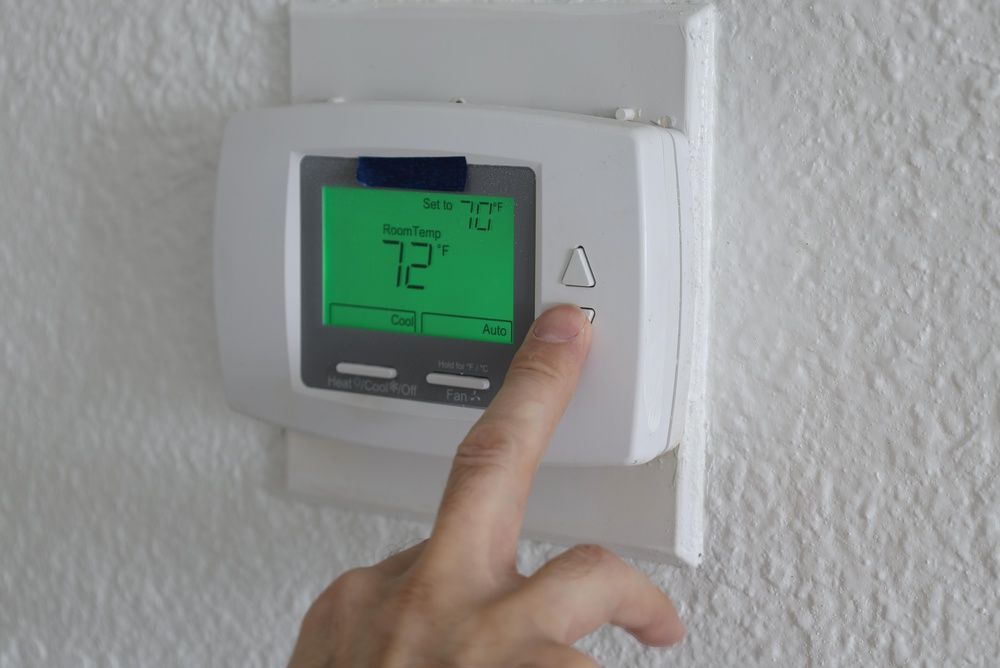
West Texas homes face temperature swings of thirty degrees or more between midday heat and nighttime cooling, which demands thermostat calibration that prevents HVAC systems from short-cycling through rapid on-off cycles that waste energy and strain components. Aire Systems LLC installs programmable and smart thermostats with sensor placement calibrated away from heat sources like windows and appliances, ensuring accurate temperature readings that trigger heating and cooling cycles at the right intervals. Proper installation accounts for HVAC system compatibility, load-bearing wall placement, and startup testing that verifies the thermostat communicates correctly with your equipment from the first cycle.
The installation process begins with verifying compatibility between your HVAC system's voltage and the thermostat's requirements, because mismatched systems cause erratic behavior or complete failure to control temperature. The unit is mounted on an interior load-bearing wall away from direct sunlight, exterior doors, and vents that create false temperature readings, then wired according to your system's configuration—single-stage, multi-stage, or heat pump setups each require different wiring sequences that affect how efficiently your equipment responds to temperature changes.
Arrange an on-site consultation to review your current thermostat placement and system compatibility.
How Sensor Placement Affects System Cycling
Thermostat installation requires careful sensor positioning because a unit mounted near a window that receives afternoon sun will read temperatures five to ten degrees higher than the actual room average, causing your air conditioning to run continuously while other rooms remain warm. Technicians test the startup cycle after installation to confirm that your system responds correctly to temperature calls, staging heating or cooling in the sequence your equipment was designed to follow rather than triggering both stages simultaneously and wasting energy.
Once installed and calibrated, your thermostat will maintain more consistent temperatures without the frequent cycling that occurs when sensors pick up radiant heat from nearby sources instead of actual air temperature. You'll notice longer, more efficient run cycles that bring your home to the set temperature and hold it there, rather than bouncing on and off every few minutes in response to localized heat pockets or drafts near poorly placed units.
Smart thermostat installation includes connecting the device to your home network and configuring scheduling based on occupancy patterns, but the core function—accurate temperature sensing and reliable communication with HVAC equipment—depends entirely on correct wiring and placement. Programmable models offer similar scheduling without network connectivity, which some homeowners prefer to avoid connectivity issues during internet outages.
Answers to Frequent Thermostat Questions
Property owners in El Paso typically ask about compatibility, placement, and how thermostats interact with existing HVAC systems before scheduling installation.
What happens if my thermostat is installed near a heat source?
A thermostat near a heat source reads artificially high temperatures and signals your air conditioner to run continuously, while rooms farther from the unit never reach the set temperature because the sensor thinks the entire home is warmer than it actually is.
How do I know if my HVAC system is compatible with a smart thermostat?
Compatibility depends on your system's voltage and staging—most systems use 24-volt low-voltage wiring that works with smart thermostats, but older millivolt systems or multi-stage heat pumps may require specific models or additional equipment to communicate properly.
When should I replace an existing thermostat instead of repairing it?
Replacement makes sense when your current unit no longer holds programmed settings, displays erratic temperature readings despite fresh batteries, or lacks the multi-stage capability your HVAC system needs to operate efficiently.
Why does my air conditioner keep cycling on and off every few minutes?
Short-cycling typically results from a thermostat mounted where it picks up radiant heat or cold drafts rather than average room temperature, causing it to trigger your system repeatedly as localized conditions fluctuate throughout the day.
What calibration steps are included during installation?
Calibration includes mounting the unit away from direct airflow and radiant sources, testing the temperature differential between the thermostat location and other rooms, and verifying that heating and cooling cycles start and stop at the programmed set points without delays or overshooting.
Aire Systems LLC stocks compatible thermostats and completes installation with full system compatibility checks and startup verification. Contact our office to schedule installation based on your current HVAC configuration and control preferences.