
13+
Years Of Experience
Airflow That Reaches Every Room Correctly
Ductwork Installation in El Paso and surrounding areas for homes with uneven temperatures, high utility bills, or newly added rooms
Aire Systems LLC designs and installs ductwork using static pressure testing and comprehensive sealing to eliminate efficiency loss and deliver consistent airflow throughout your home. Older El Paso properties frequently suffer from undersized, poorly routed, or leaky ductwork that forces HVAC systems to work harder while certain rooms never reach comfortable temperatures. New construction and home conversions require load-based duct sizing calculated from actual system requirements, not rough estimates that lead to airflow imbalances and wasted energy.
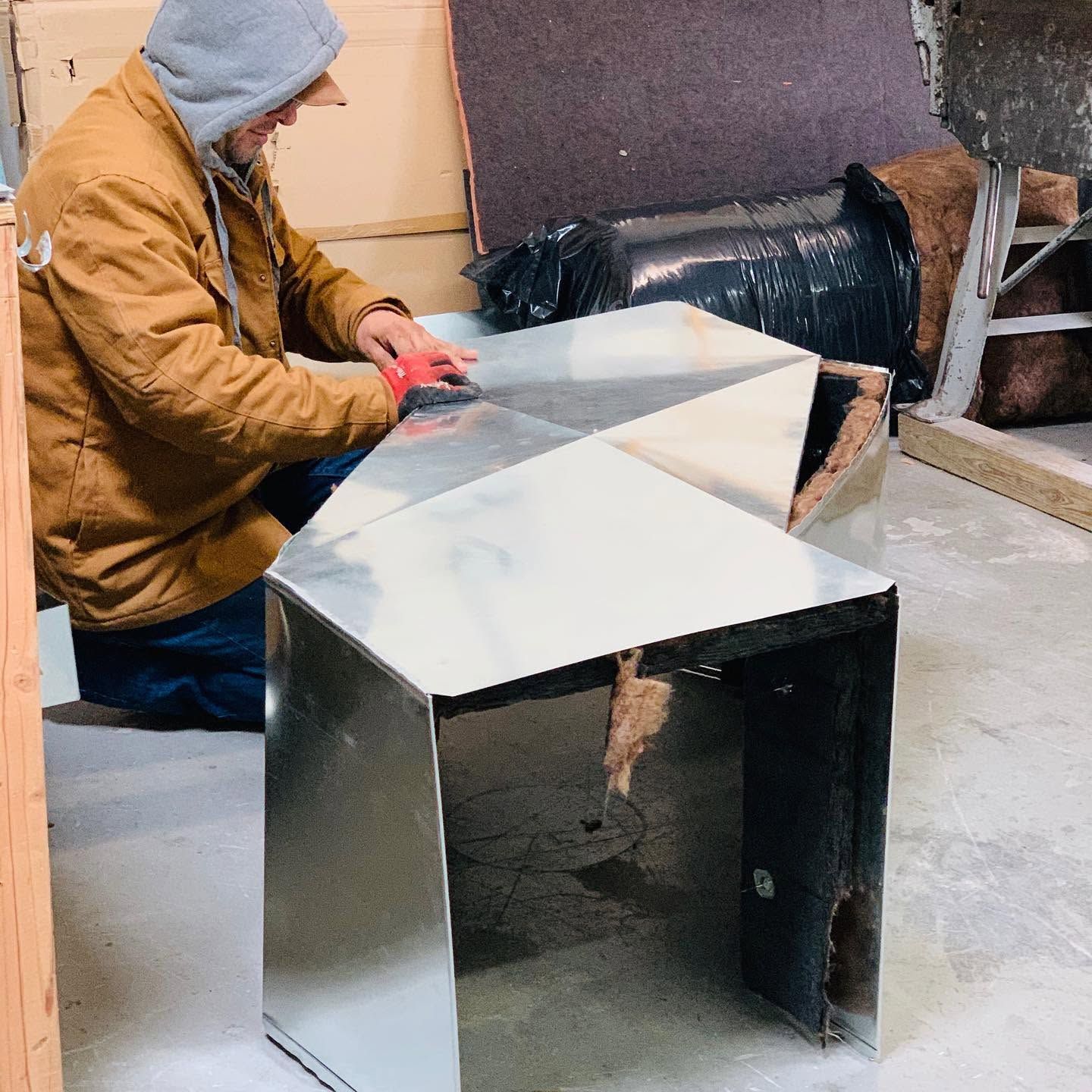
The installation begins with duct sizing calculated from system load and room-by-room airflow requirements, determining whether sealed flex duct, rigid metal, or sheet metal construction best fits the space and static pressure limits. Every joint and penetration is sealed during installation, followed by static pressure testing to verify leakage stays under ten percent—a threshold that separates properly installed systems from rushed jobs that lose conditioned air inside walls and attics. When needed, dampers are installed to enable zone control for multi-story homes or areas with varying sun exposure.
Schedule a property evaluation to assess current ductwork performance and identify specific airflow concerns.
What Proper Duct Sizing and Sealing Prevent
Ductwork installation starts with load calculation that accounts for your home's square footage, insulation levels, window placement, and the number of occupants to determine exact airflow needs for each room. Material selection follows these calculations—sealed flexible duct works well in attic runs with minimal bends, while rigid metal duct handles higher static pressure in compact mechanical spaces and long horizontal runs. All connections are sealed with mastic or approved tape at the time of installation, not as an afterthought, because air leaking into unconditioned spaces before reaching your rooms wastes energy and forces your system to run longer cycles.
After installation, you'll notice even temperatures across rooms that previously ran hot or cold, reduced runtime on your HVAC equipment because conditioned air reaches its intended destination, and lower utility bills from systems no longer compensating for duct leakage. Static pressure testing conducted post-install confirms that your ductwork operates within manufacturer specifications, which protects equipment longevity and maintains warranty coverage that can be voided by improper airflow.
Ductwork installation includes routing that avoids unnecessary bends and length, both of which increase static pressure and reduce system efficiency. Proper installation also accounts for return air pathways—undersized return ducts create negative pressure that restricts airflow and causes the blower motor to strain, a common oversight in older El Paso homes built before modern efficiency standards.
Questions Before Starting Your Ductwork Project
Homeowners in El Paso often ask about the installation process, testing methods, and how ductwork affects overall system performance before committing to new installation.
What does static pressure testing measure during ductwork installation?
Static pressure testing measures how much resistance your ductwork creates against airflow, verifying that leakage stays below ten percent and that your system can move air efficiently without overworking the blower motor.
How is duct sizing determined for my home?
Duct sizing is calculated from a detailed load analysis that factors in your home's insulation, window area, orientation, and the BTU output of your HVAC equipment to ensure each room receives the correct volume of conditioned air.
When should I consider ductwork replacement instead of repair?
You should consider full replacement when existing ducts are undersized for current equipment, routed through unconditioned spaces without insulation, or show extensive damage and leakage that sealing alone cannot address effectively.
What material works best for desert climate ductwork?
Sealed flex duct handles well in attic installations where temperatures swing widely, while sheet metal duct provides durability in mechanical rooms and long runs where rigid construction prevents sagging and maintains consistent airflow over decades.
Why do some rooms stay warmer even with new ductwork?
Rooms that remain warmer typically suffer from insufficient return air pathways, duct runs that are too long without adequate diameter, or supply registers placed where airflow cannot circulate effectively across the living space.
Aire Systems LLC sizes and seals ductwork based on tested airflow requirements, not template layouts that ignore your home's specific load. Request a detailed estimate that includes static pressure testing and room-by-room airflow analysis.